By now, everyone knows that tens of thousands of retail stores have closed across the country over the past several years. One industry source predicts another 50,000 stores could close by 2027. Covid certainly had an impact while public access was locked down for an extended time. But the trend started well before Covid. This year, Bed, Bath & Beyond is just one of the latest chains to close the doors. At its peak, Bed, Bath had 1,552 locations. Sears at its peak had 3,500 stores and Kmart had 2,300 locations. Now both Sears and Kmart have a combined 23 stores remaining in the U.S. Bricks and mortar retailers are fighting for their collective lives. They are up against the likes of Amazon and Walmart, to name two of their biggest competitors. Amazon is open 24/7 and Walmart stores seem to be open most of the hours people are awake.
This data has gotten me to think about how some businesses simply fail to change with the times. This isn’t anything new. But by now one would think that the ability to adapt would be case study Numero Uno in the school of entrepreneurship. Let’s look at another example – this one is in the educational sector. For years, we’ve seen tuition spiking at public universities and colleges. According to Education Data.org, tuition has increased approximately 136.5% from 2000 – 2021, an annual rate of 6.8%. Meanwhile inflation has averaged 2.55% per year for the same timeframe. Why has this happened? Government-insured student loans have been a major contributor to the upward movement of tuition. Universities have known that they could just keep pushing tuition because students could borrow cheap money to finance the cost. There’s only one problem. The student loan bubble is bursting as millions of young people are questioning why they should take on debt of as much as $100,000 or more to earn a college degree. Public funding for higher education has been under pressure for years. Meanwhile, colleges and universities blithely continue to build new buildings and act like the good times will roll forever. There’s scant evidence that leadership is plotting how to adapt to what could become a very scary situation.
The landscape is littered with the carcasses of companies that failed to adapt. Besides Bed, Bath & Beyond, Sears, and Kmart, we’ve seen store closings and/or bankruptcies at Mattress Firm, Brookstone, David’s Bridal, Tuesday Morning, Party City, Serta Simmons Bedding, Rockport, Nine West, Claire’s, Toys R Us, iHeartMedia, Gibson’s (the guitar maker) and Bon-Ton to name a few. Many of these companies had accumulated too much debt. Others grew too quickly and saturated the market with stores (Mattress Firm comes to mind). Others clearly kept plodding along with a business strategy that no longer worked.
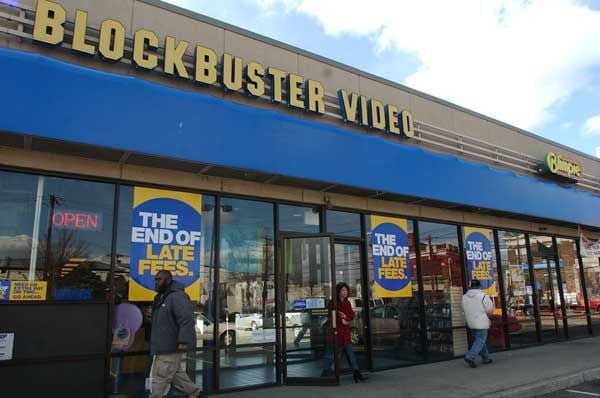
The Netflix vs. Blockbuster Video story is common knowledge. Blockbuster never came to grips with the fact that streaming services were going to be king of the mountain, pushing the business of renting videocassettes into the abyss. Eastman Kodak failed to understand that digital photography was the future – not film and photographic paper. Yahoo blew it when Google was offering everything for free; yet Yahoo thought it could charge for e-mail and file sharing.
When we as entrepreneurs become comfortable and believe that we have the best idea, we’re probably headed for a fall. Because there’s absolutely no doubt that someone else is already working on the next best idea and may roll it out as early as tomorrow. Dr. Ichak Adizes, CEO of the Adizes Institute and one of the world’s leading management experts has developed a concept he calls the Corporate Lifecycle. He identifies a “Mature” organization as one that is about to experience “The Fall.” He goes on to say, “The leaders of The Fall companies are starting to feel content and somewhat complacent. This attitude has been developing for some time. The company is strong, but it is starting to lose flexibility. It is at the top of its lifecycle curve, but it has expended nearly all the “developmental momentum” it amassed during its growing stages. The rocket is slowing down and starting to change direction and head down the lifecycle curve. The organization suffers from an attitude that says, ‘If it ain’t broke, don’t fix it.’ The company is losing the spirit of creativity, innovation, and the desire to change that brought it to Prime (the ultimate phase of the corporate lifecycle). It has sown the seeds of mediocrity.”
There are many lessons to be learned here. As our organizations continue to grow and become rocket ships, it’s critical that we maintain our spirit of creativity, innovation, and the desire to change. Always. Every day. Forever.
This blog is being written in tandem with my book, “An Entrepreneur’s Words to Live By,” available on Amazon.com in paperback and Kindle (My Book), as well as being available in all of the other major eBook formats.
 An Entrepreneur's Words to Live By