
The Cumulative Effects Entrepreneur

Customers quit all the time. Many entrepreneurs work extremely hard to prevent the big screw-ups that alienate and enrage customers. Yet, even with this effort, there are still customers that leave and don’t come back. What’s up with this?

Consider this scenario. An entrepreneur has opened a new restaurant and works 24/7 to develop a loyal clientele. Over time the restaurant grows and enjoys success – it’s even profitable! But then its trajectory levels off. It’s not growing like it was and some of the regular faces aren’t there anymore. The entrepreneur studies his operation but can’t find anything glaring that is causing this trend. His puzzlement and frustration grow. Why isn’t he winning like he used to?

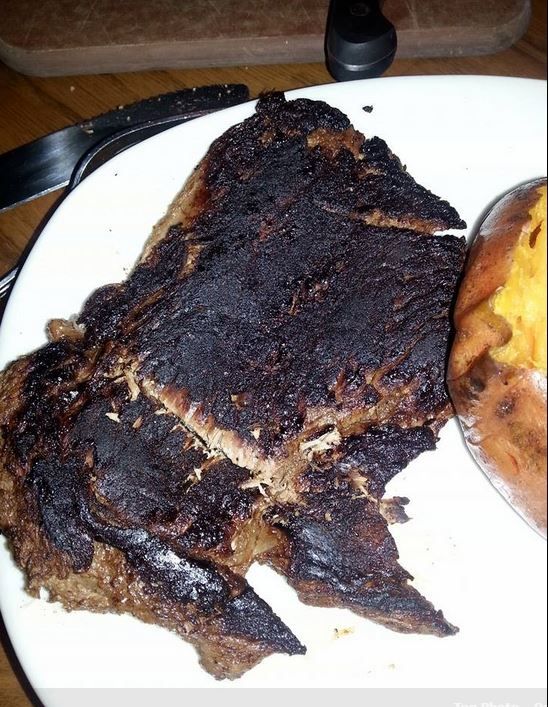
Had the entrepreneur taken a much closer and more granular look, he might have discovered the root cause of his problem. Had he followed one of his oldest customers – we’ll be original and call him Mr. Smith – he might have observed several disturbing occurrences. On one occasion, Mr. Smith made a reservation in advance, but when he arrived the time was wrong. The hostess apologized profusely, but it did cause minor inconvenience to the customer. In another instance Mr. Smith’s credit card was declined. After an embarrassing moment for Mr. Smith, the server found that the credit card terminal was on the fritz. A few weeks later Mr. Smith was in a hurry to leave for a business appointment and his lunch was delayed due to a mix-up in the kitchen. Another time his steak wasn’t properly prepared. In still another instance, one of the side dishes he ordered was forgotten.

These seemingly small and inconsequential issues continued to occur over a period of months. Mr. Smith did not encounter problems every time he ate at the restaurant. But they happened often enough that he began to feel as though this eatery wasn’t the bright and shiny object that it had once appeared to be. Gradually Mr. Smith came to the restaurant with less frequency. The final straw came on a day when Mr. Smith noticed he had been charged for an appetizer he hadn’t ordered. The bill was corrected, but that was the last time Mr. Smith ever patronized the restaurant.

I call what happened here The Cumulative Effect of Little Things. The entrepreneur who owned the restaurant was prone to look at each minor problem on a stand-alone basis. And when viewed in this manner, it’s a mystery to see how a slightly undercooked steak here or a credit card snafu there could be enough to chase away a customer. He was looking for and trying to prevent, much larger issues. What he failed to understand is that the small stuff contributes to an overall customer experience. If Mr. Smith had visited the restaurant only once, he probably wouldn’t have given much thought to the fact that his meal arrived four minutes before that of his dining companion. But Mr. Smith was a regular customer, and his impression of the restaurant was driven by an accumulation of experiences.

We can keep The Cumulative Effect of Little Things from causing our customers to quit. How? There are two ways. First, we must be sticklers for the small details. With the right systems, processes, and team member training, we can eliminate the small mistakes that seemingly happen every day and yet are excused as too minor to matter. Second, we must be joined at the hip with our customers. It’s crucial that we know what they are always experiencing. Continuing with the restaurant example, when the owner or general manager shows up at my table at some point during the meal; chats briefly with me and asks (genuinely) what can be done to make my dining experience better, then I know I’m dealing with someone who really cares about me as a customer. I generally don’t ever encounter problems in those restaurants.

Customers leave often because of The Cumulative Effect of Little Things rather than a major malfunction. Caring about the little details AND the customer will go a long way to creating a loyal following.

This blog is being written in tandem with my book, “An Entrepreneur’s Words to Live By,” available on Amazon.com in paperback and Kindle (My Book), as well as being available in all of the other major eBook formats.

The Extinct Entrepreneur

By now, everyone knows that tens of thousands of retail stores have closed across the country over the past several years. One industry source predicts another 50,000 stores could close by 2027. Covid certainly had an impact while public access was locked down for an extended time. But the trend started well before Covid. This year, Bed, Bath & Beyond is just one of the latest chains to close the doors. At its peak, Bed, Bath had 1,552 locations. Sears at its peak had 3,500 stores and Kmart had 2,300 locations. Now both Sears and Kmart have a combined 23 stores remaining in the U.S. Bricks and mortar retailers are fighting for their collective lives. They are up against the likes of Amazon and Walmart, to name two of their biggest competitors. Amazon is open 24/7 and Walmart stores seem to be open most of the hours people are awake.

This data has gotten me to think about how some businesses simply fail to change with the times. This isn’t anything new. But by now one would think that the ability to adapt would be case study Numero Uno in the school of entrepreneurship. Let’s look at another example – this one is in the educational sector. For years, we’ve seen tuition spiking at public universities and colleges. According to Education Data.org, tuition has increased approximately 136.5% from 2000 – 2021, an annual rate of 6.8%. Meanwhile inflation has averaged 2.55% per year for the same timeframe. Why has this happened? Government-insured student loans have been a major contributor to the upward movement of tuition. Universities have known that they could just keep pushing tuition because students could borrow cheap money to finance the cost. There’s only one problem. The student loan bubble is bursting as millions of young people are questioning why they should take on debt of as much as $100,000 or more to earn a college degree. Public funding for higher education has been under pressure for years. Meanwhile, colleges and universities blithely continue to build new buildings and act like the good times will roll forever. There’s scant evidence that leadership is plotting how to adapt to what could become a very scary situation.

The landscape is littered with the carcasses of companies that failed to adapt. Besides Bed, Bath & Beyond, Sears, and Kmart, we’ve seen store closings and/or bankruptcies at Mattress Firm, Brookstone, David’s Bridal, Tuesday Morning, Party City, Serta Simmons Bedding, Rockport, Nine West, Claire’s, Toys R Us, iHeartMedia, Gibson’s (the guitar maker) and Bon-Ton to name a few. Many of these companies had accumulated too much debt. Others grew too quickly and saturated the market with stores (Mattress Firm comes to mind). Others clearly kept plodding along with a business strategy that no longer worked.

The Netflix vs. Blockbuster Video story is common knowledge. Blockbuster never came to grips with the fact that streaming services were going to be king of the mountain, pushing the business of renting videocassettes into the abyss. Eastman Kodak failed to understand that digital photography was the future – not film and photographic paper. Yahoo blew it when Google was offering everything for free; yet Yahoo thought it could charge for e-mail and file sharing. 

When we as entrepreneurs become comfortable and believe that we have the best idea, we’re probably headed for a fall. Because there’s absolutely no doubt that someone else is already working on the next best idea and may roll it out as early as tomorrow. Dr. Ichak Adizes, CEO of the Adizes Institute and one of the world’s leading management experts has developed a concept he calls the Corporate Lifecycle. He identifies a “Mature” organization as one that is about to experience “The Fall.” He goes on to say, “The leaders of The Fall companies are starting to feel content and somewhat complacent. This attitude has been developing for some time. The company is strong, but it is starting to lose flexibility. It is at the top of its lifecycle curve, but it has expended nearly all the “developmental momentum” it amassed during its growing stages. The rocket is slowing down and starting to change direction and head down the lifecycle curve. The organization suffers from an attitude that says, ‘If it ain’t broke, don’t fix it.’ The company is losing the spirit of creativity, innovation, and the desire to change that brought it to Prime (the ultimate phase of the corporate lifecycle). It has sown the seeds of mediocrity.”

There are many lessons to be learned here. As our organizations continue to grow and become rocket ships, it’s critical that we maintain our spirit of creativity, innovation, and the desire to change. Always. Every day. Forever.  

This blog is being written in tandem with my book, “An Entrepreneur’s Words to Live By,” available on Amazon.com in paperback and Kindle (My Book), as well as being available in all of the other major eBook formats.

The “Foot on the Gas” Entrepreneur

There’s an interesting aspect of human nature that can be a devilish problem for entrepreneurs. Unfortunately, I have experienced this issue a multitude of times throughout the years. Let me offer an example of what happens too often in our business. Let’s say we have a large apartment community that has been suffering with poor occupancy. We develop a creative and aggressive marketing program that produces results, and in a short period of time the property has reached 95% occupancy – in our industry this is stabilized occupancy. We pop the corks and celebrate this accomplishment in high style. So far, so good. But this is where the trouble begins.

Over the next few weeks, we see an ever so slight downward trend in occupancy. After two weeks, the occupancy stands at 94%; after three weeks it’s 93%, and after four weeks the occupancy stands at 92%. Now this may seem like no big deal – the occupancy still sounds strong. But a deeper dive shows something that really is disturbing. Our on-site leasing team is resting on their laurels. When we were pulling out the stops to push the occupancy up, the team was visiting major employers and area businesses daily to promote our complex. They were posting multiple times each day on social media and encouraging existing residents to refer their friends and family. But once the property reached 95% occupancy the on-site team dialed back their marketing efforts and started “coasting.” This resulted in the occupancy beginning to slip.

I have always advocated that our on-site teams should be aggressively marketing 365 days a year regardless of the occupancy level. If a property achieves high levels of occupancy, we can raise the rent and build waiting lists. There’s absolutely no downside to continuing to market as if we were suffering from low occupancy. In other words, Keep the foot on the gas!

This concept can be seen in a high-profile way with sports teams. A team in any sport gets a healthy lead and then there’s a letdown. The players don’t play with the same intensity as earlier in the game. They aren’t as sharp and aware. The other team chips away at the lead and eventually wins on a last second play. How many times have we seen this happen?

In the entrepreneurial world we see this all the time. Perhaps we let up on our marketing efforts much in the same manner as the apartment property example cited earlier. Recruiting can also be a problem area. We fill an open sales position and think we’re done. But six weeks later we find that another sales position is open. And guess what? We have shut down our recruiting effort and all the quality candidates we considered for the last position have found new jobs. So, we must gear up and begin recruiting again. The same thing can happen with product development and product improvement. We’ve had a great run with the creation of new products. The public has loved these products and our team has rightly been proud of its success. But . . . it’s been a while since we put any new products in the marketplace. And not much has been done to improve our existing product suite. Sales are beginning to slip, and customer satisfaction has dipped as well.

What can we do to combat psychological letdowns? Maintaining a constant focus on the basics and fundamentals of our business enables us to continue achieving the highest levels of success. As entrepreneurial leaders we must emphasize this every single day. Members of our team should be held accountable for practicing the basics and fundamentals. I know a commercial real estate broker who has specialized in office leasing for more than 30 years. He has made a ton of money and has been one of the top brokers in the business for his entire career. Nevertheless, he continues to make his cold calls every day and build new relationships – just like he did as a rookie. By continuing to focus on the basics and fundamentals, this real estate professional has kept the foot on the gas!  

The other thing that is critical for us to stress is a mindset that the game is never over. We may be winning at the end of the quarter or the half, but in the entrepreneurial game (unlike sports) the clock never runs out. We can’t get tired or lazy. We must maintain the same level of discipline at the end of the year that we had at the beginning.

We entrepreneurs cannot afford to rest on our laurels, or we will surely lose in the end. Instead, we must have a “keep the foot on the gas” mindset that occurs with a relentless and disciplined focus on the basics and fundamentals of our business.

This blog is being written in tandem with my book, “An Entrepreneur’s Words to Live By,” available on Amazon.com in paperback and Kindle (My Book), as well as being available in all of the other major eBook formats.

Never Let Up!

There’s an interesting aspect of human nature that can be a devilish problem for entrepreneurs. Unfortunately I have experienced this issue a multitude of times throughout the years. Let me offer an example that happens too often in our business. Let’s say we have a large apartment community that has been suffering with poor occupancy. We develop a creative and aggressive marketing program that produces results, and in a short period of time the property has reached 95% occupancy – in our industry this is considered to be stabilized occupancy. We pop the corks and celebrate this accomplishment in high style. So far, so good. But this is where the trouble begins.

Over the next few weeks we see an ever so slight downward trend in the occupancy. After two weeks, the occupancy stands at 94%; after three weeks it’s 93%, and after four weeks the occupancy stands at 92%. Now this may seem like no big deal – the occupancy still sounds strong. But a deeper dive shows something that really is disturbing. Our on-site leasing team is resting on their laurels. When we were pulling out the stops to push the occupancy up, the team was visiting major employers and area businesses on a daily basis to promote our complex. They were posting multiple times each day on social media and encouraging existing residents to refer their friends and family. But once the property reached 95% occupancy the on-site team dialed back their marketing efforts and started “coasting.” This resulted in the occupancy beginning to slip.

I have always advocated that our on-site teams should be aggressively marketing 365 days a year regardless of the occupancy level. If a property achieves high levels of occupancy, we can raise the rents and build waiting lists. There’s absolutely no downside to continuing to market as if we were suffering from low occupancy. In other words Never Let Up.

This concept can be seen in a high profile way with sports teams. A team in any sport gets a healthy lead and then there’s a letdown. The players don’t play with the same intensity as earlier in the game. They aren’t as sharp and aware. The other team chips away at the lead and eventually wins on a last second play. How many times have we seen this happen?

In the entrepreneurial world we see this all the time. Perhaps we let up on our marketing efforts much in the same manner as the apartment property example cited earlier. Recruiting can also be a problem area. We fill an open sales position and think we’re done. But six weeks later we find that another sales position is open. And guess what? We had shut down our recruiting effort and all of the quality candidates we considered for the last position have found new jobs. So, we have to gear up and begin recruiting again. The same thing can happen with product development and product improvement. We’ve had a great run with the creation of new products. The public has loved these products and our team has rightly been proud of its success. But . . . it’s been a while since we put any new products in the marketplace. And not much has been done to improve our existing product suite. Sales begin to slip and customer satisfaction has dipped as well.

What can we do to combat psychological let downs? Maintaining a constant focus on the basics and fundamentals of our business enables us to continue achieving the highest levels of success. As entrepreneurial leaders we must emphasize this every single day. Members of our team should be held accountable for practicing the basics and fundamentals. I know a commercial real estate broker who has specialized in office leasing for more than 30 years. He has made a ton of money and has been one of the top brokers in the business for his entire career. Nevertheless, he continues to make his cold calls every day and build new relationships – just like he did as a rookie. By continuing to focus on the basics and fundamentals, this real estate professional has Never Let Up.

The other thing that is critical for us to stress is a mindset that the game is never over. We may be winning at the end of the quarter or the half, but in the entrepreneurial game (unlike sports) the clock never runs out. We can’t get tired or lazy. We must maintain the same level of discipline at the end of the year that we had at the beginning.

We entrepreneurs cannot afford to rest on our laurels or we will surely lose in the end. Instead, we must have a Never Let Up mindset that occurs with a relentless and disciplined focus on the basics and fundamentals of our business.

You can also listen to a weekly audio podcast of my blog. What you hear will be different than what you read in this blog. Subscribe on iTunes or wherever you get your podcasts. You can also click on this link – Click here to listen to Audio Episode 122 – A Dirty Word.

This blog is being written in tandem with my book, “An Entrepreneur’s Words to Live By,” available on Amazon.com in paperback and Kindle (My Book), as well as being available in all of the other major eBook formats.

Undefeated

Question: Someone told me that arrogance and complacency are one in the same. How does one avoid falling into this trap?

Answer: Here’s my challenge to you and everyone – entrepreneur or not. What are you doing today that makes you better than you were yesterday? This is a beautifully simple calculus. Take a look at your life. Do you have a purposeful intent to improve yourself every single day that you walk on this planet? Do we want to waste one precious day of our lives failing to do so?

Purposeful intent is the key to continual improvement. To get started, make an appointment with yourself to catalog the various aspects of your life that you would like to improve – personally and professionally. This needs to be a substantive process driven by a sufficient dose of introspection and reflection. Then spend a moment when you get out of bed each morning and identify at least one thing you will do to move the improvement needle in those key areas you contemplated.  

Do you feel as though you are at the top of your game? Are you a success in your business? You can do better. Are you successful at being a parent? You can do better. Consider this sports metaphor. Suppose we participate on a football team that has an undefeated season and wins the national championship. We might assume that we have reached the mountaintop. But, did we win every game by keeping the other team from scoring a single point? Probably not. So, we can do better. If we actually did accomplish a shutout against every team, did we score a touchdown on every single play we ran during every game of the season? If not, we can do better. You see, there’s always another step we can take to be better and do better.

When we settle for what we have achieved we may become a victim of our own success. We all know that whether in sports or business, teams that rest on their laurels eventually lose. The same is true with life. As long as we sincerely aspire to always do better, our success will continue for improvement is the mortal enemy of complacency. Thus, we’ll remain undefeated if we maintain an attitude of “I can always do better.”

This blog is being written in tandem with my book, “An Entrepreneur’s Words to Live By,” available on Amazon.com in paperback and Kindle (My Book), as well as being available in all of the other major eBook formats.