
The Communicative Entrepreneur

In today’s business world there is a constant drumbeat for clear communications. And without a doubt, we will find a lack of clear communication at the root of many of the issues that we have with each other. OK, I get it. We need to communicate clearly. But here is something you will not hear as often. There is also a need to simplify our communications. Sometimes we may think we are communicating clearly when in fact the message we are conveying is so convoluted and complicated that our audience gets lost.

I am involved with a venture capital business that screens large numbers of start-up companies in the biotech space as we look for potential investments. One company stands out from the rest – not because of the product it was developing, but because its pitch was so impossible to understand. We have some technical people on our board as well as advisors with whom we work, and no one understood what the pitch was all about. This company used highly technical terminology and language that no one ever hears in day-to-day conversation. I suppose that it is possible that the product could have been an amazing breakthrough in its field. But we will never know because we declined to invest for the simple reason that we could not understand the pitch. Here is an excerpt from the pitch summary.

(XYZ) technology allows RNA to be manufactured using well proven large scale fermentation processes. Prior to (XYZ) manufacturing innovations these large-scale fermentation processes were not viable because of the ubiquitous and unavoidable presence of RNAses (enzymes that break down RNA) in the fermentation process environment. (XYZ) technology sequesters, inside a protein capsid, the RNA as it is produced thus protecting it from RNAse degradation. This protein capsid protects the RNA allowing subsequent isolation and purification. There is also a high level of interest in using the protein encapsidated RNA as a delivery mechanism.

The preceding is an extreme illustration of overly complicated communications. But there are countless examples that occur daily to a lesser degree. I used to moderate panel discussions at several apartment industry conferences each year. We talked about many aspects of the business including debt, equity, construction, and operations. Often, we have audience members who are new to the industry. While the subject matter can be complex at times, the bigger problem is all the acronyms that are the plague on our house.

It does not matter whether the communication is written or verbal, we must redouble our efforts to simplify, simplify, simplify. When we write like we speak, we tend to accomplish this objective. And if we think before we speak, it is likely our communication will be understood. Guarding against ego-creep is also in our best interest. We have all seen the pontificators who like to show everyone how smart they are by spouting a bunch of intellectual-sounding mumbo jumbo. Staying humble and being respectful of the audience’s desire to understand what we are communicating should be our guiding principle.

A man or woman of few(er) words conquers rambling purveyors of verbosity every time. Striving for clarity and simplicity in our communications will ensure that we are persuasive and convincing.

This blog is being written in tandem with my book, “An Entrepreneur’s Words to Live By,” available on Amazon.com in paperback and Kindle (My Book), as well as being available in all of the other major eBook formats.

The Anatomy of an Entrepreneur

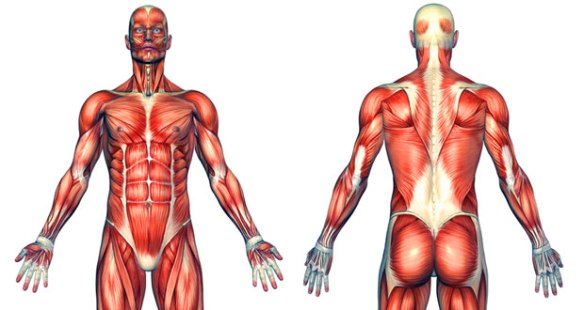
As entrepreneurs exactly who are we? What makes us tick? Is there some sort of DNA gene that we can point to? I’ve thought a lot about some of the exceptional entrepreneurs I’ve known over the past four decades and have identified some of their traits and tendencies that stand out.

Let’s start with creativity and innovation. Entrepreneurs use their creative powers to innovate and find a better way to do something. Elon Musk must be one of the most prolific entrepreneurs when it comes to innovation – Tesla Motors, SpaceX, Pay Pal and Solar City come to mind to name a few. Often, creative entrepreneurs are also visionaries. They have an uncanny ability to see into the future and understand what their customers will want and how their company needs to be designed to win. GoPro CEO Nick Woodman is one of the foremost visionaries in America today. Who could ever have imagined a series of high-definition video cameras that are small, durable and light enough to capture our daily adventures – daring and mundane? And successful entrepreneurs understand risk. Rather than taking risk they are adept at managing it.

When they get knocked down, great entrepreneurs get back up – over and over and over. They are amazingly resilient and don’t see failure . . . only opportunity. Walt Disney was fired by his employer, the Kansas City Star, because he supposedly lacked creativity. That didn’t seem to impact his storied career. When things don’t work out as planned, they are flexible and know how to adapt and make the best of every situation. Top-flight entrepreneurs are persuasive and can convince others to say yes. They do so through the power of their passion. Does Steve Jobs come to mind? Look what he convinced us to buy! Along with their persuasive powers, successful entrepreneurs are strong communicators in both verbal and written formats.

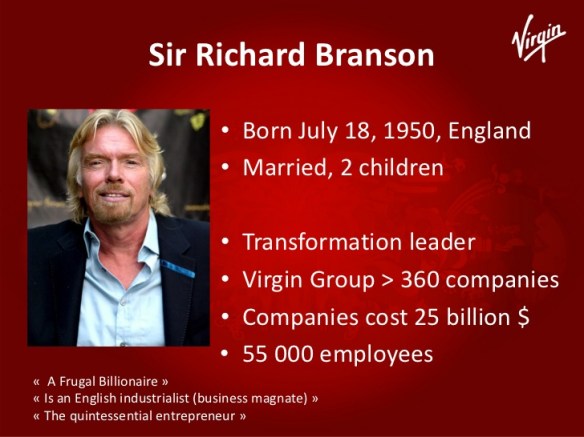
Entrepreneurs are assertive – the great ones are less aggressive than assertive. They have a healthy degree of empathy and are sensitive to the feelings of others. Entrepreneurs at the top of their game have a certain amount of charisma. They can be sociable and gregarious – even if those aren’t their core tendencies. Without charisma an entrepreneur will find it tougher to raise money, develop important relationships and influence others. Billionaire entrepreneur Sir Richard Branson is one of the most charismatic leaders on the planet. And he has woven his charisma into a tapestry of empathy and caring about other people.

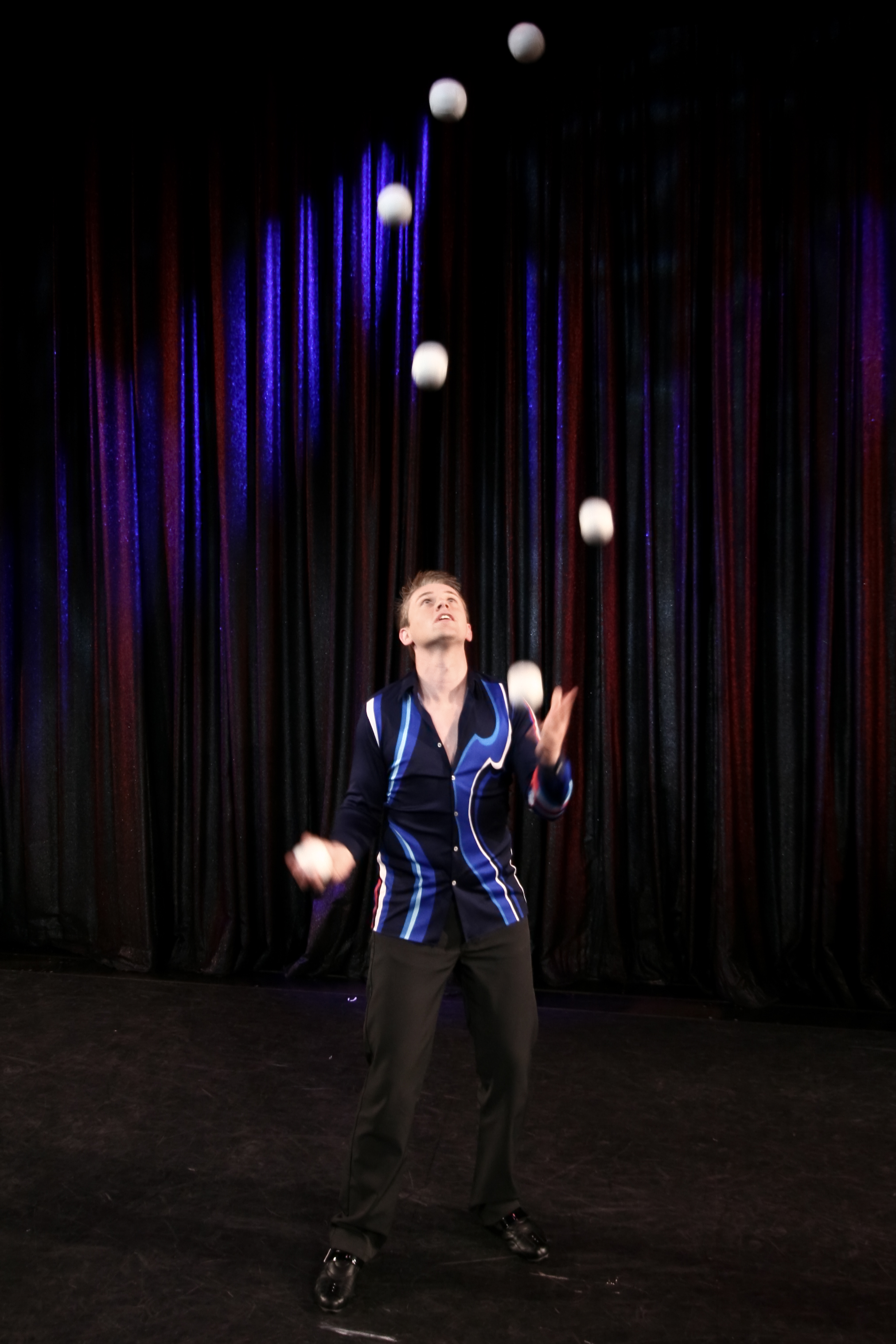
Culture King is another descriptor for the cream-of-the-crop entrepreneur. Ben Chestnut, founder, and CEO of MailChimp fits into this category in the ways he has empowered the 500+ members of his team. Together with a strong culture is a smart entrepreneur’s ability to delegate. According to a 2013 Gallup survey of Inc. 500 CEOs, an average three-year growth rate of 1,751% was realized where the CEO had a high Delegator talent. Entrepreneurs typically have a high sense of urgency and tend to be very self-structured – there’s no way anyone is going to tell them what to do! Entrepreneurs simply don’t want to be a cog in someone else’s machine. Most entrepreneurs also can juggle many things at once and in fact need to feel the rush and excitement of pursuing multiple projects and initiatives simultaneously. Finally, ultra-successful entrepreneurs are generally positive and optimistic people. They don’t dwell on mistakes and never play the victim.

Remember the DNA thing I mentioned at the beginning of this blog? Well, there may be something to it. A February 17, 2016, research paper published in the Austin Journal of Molecular and Cellular Biology reported on the Dopamine Receptor D4 Gene and concluded that entrepreneurs have a higher tolerance for risk-taking in part, due to this gene      (https://www.researchgate.net/publication/294874673_Entrepreneurship_and_its_Genetic_Basis). Apparently, genetics governs approximately 30% of what makes one an entrepreneur. But that leaves 70% to a wide range of personality traits and tendencies.

There are many such traits and tendencies that are identified with entrepreneurs. No one person possesses them all, but the more to which we lay claim the closer we come to attaining world class status.

This blog is being written in tandem with my book, “An Entrepreneur’s Words to Live By,” available on Amazon.com in paperback and Kindle (My Book), as well as being available in all of the other major eBook formats.
The Anatomy of an Entrepreneur

As entrepreneurs exactly who are we? What makes us tick? Is there some sort of DNA gene that we can point to? I’ve thought a lot about some of the exceptional entrepreneurs I’ve known over the past four decades and have identified some of their traits and tendencies that stand out.

Let’s start with creativity and innovation. Entrepreneurs use their creative powers to innovate and find a better way to do something. Elon Musk has to be one of the most prolific entrepreneurs when it comes to innovation – Tesla Motors, SpaceX, Pay Pal and Solar City come to mind to name a few. Often, creative entrepreneurs are also visionaries. They have an uncanny ability to see into the future and understand what their customers will want and how their company needs to be designed to win. GoPro CEO Nick Woodman is one of the foremost visionaries in America today. Who could ever have imagined a series of high definition video cameras that are small, durable and light enough to capture our daily adventures – daring and mundane? And successful entrepreneurs understand risk. Rather than taking risk they are adept at managing it.

When they get knocked down, great entrepreneurs get back up – over and over and over. They are amazingly resilient and don’t see failure . . . only opportunity. Walt Disney was fired by his employer, the Kansas City Star, because he supposedly lacked creativity. That didn’t seem to impact his storied career. When things don’t work out as planned, they are flexible and know how to adapt and make the best of every situation. Top-flight entrepreneurs are persuasive and can convince others to say yes. They do so through the power of their passion. Does Steve Jobs come to mind? Look what he convinced us to buy! Along with their persuasive powers, successful entrepreneurs are strong communicators in both verbal and written formats.

Entrepreneurs are assertive – the great ones are less aggressive than assertive. They have a healthy degree of empathy and are sensitive to the feelings of others. Entrepreneurs at the top of their game have a certain amount of charisma. They can be sociable and gregarious – even if those aren’t their core tendencies. Without charisma an entrepreneur will find it tougher to raise money, develop important relationships and influence others. Billionaire entrepreneur Sir Richard Branson is one of the most charismatic leaders on the planet. And he has woven his charisma into a tapestry of empathy and caring about other people.

Culture King is another descriptor for the cream-of-the-crop entrepreneur. Ben Chestnut, founder and CEO of MailChimp fits into this category in the ways he has empowered the 500+ members of his team. Hand-in-hand with a strong culture is a smart entrepreneur’s ability to delegate. According to a 2013 Gallup survey of Inc. 500 CEOs, an average three-year growth rate of 1,751% was realized where the CEO had a high Delegator talent. Entrepreneurs typically have a high sense of urgency and tend to be very self-structured – there’s no way anyone is going to tell them what to do! Entrepreneurs simply don’t want to be a cog in someone else’s machine. Most entrepreneurs also have the ability to juggle many things at once and in fact need to feel the rush and excitement of pursuing multiple projects and initiatives simultaneously. Finally, ultra-successful entrepreneurs are generally positive and optimistic people. They don’t dwell on mistakes and never play the victim.

Remember the DNA thing I mentioned at the beginning of this blog? Well, there may be something to it. A February 17, 2016, research paper published in the Austin Journal of Molecular and Cellular Biology reported on the Dopamine Receptor D4 Gene and concluded that entrepreneurs have a higher tolerance for risk-taking in part, due to this gene      (https://www.researchgate.net/publication/294874673_Entrepreneurship_and_its_Genetic_Basis). Apparently genetics govern approximately 30% of what makes one an entrepreneur. But that leaves 70% to a wide range of personality traits and tendencies.

There are many such traits and tendencies that are identified with entrepreneurs. No one person possesses them all, but the more to which we lay claim the closer we come to attaining world class status.

This blog is being written in tandem with my book, “An Entrepreneur’s Words to Live By,” available on Amazon.com in paperback and Kindle (My Book), as well as being available in all of the other major eBook formats.
The Anatomy of an Entrepreneur

As entrepreneurs exactly who are we? What makes us tick? Is there some sort of DNA gene that we can point to? I’ve thought a lot about some of the exceptional entrepreneurs I’ve known over the past four decades and have identified some of their traits and tendencies that stand out.

Let’s start with creativity and innovation. Entrepreneurs use their creative powers to innovate and find a better way to do something. Elon Musk has to be one of the most prolific entrepreneurs when it comes to innovation – Tesla Motors, SpaceX, Pay Pal and Solar City come to mind to name a few. Often, creative entrepreneurs are also visionaries. They have an uncanny ability to see into the future and understand what their customers will want and how their company needs to be designed to win. GoPro CEO Nick Woodman, is one of the foremost visionaries in America today. Who could ever have imagined a series of high definition video cameras that are small, durable and light enough to capture our daily adventures – daring and mundane? And successful entrepreneurs understand risk. Rather than taking risk they are adept at managing it.

When they get knocked down, great entrepreneurs get back up – over and over and over. They are amazingly resilient and don’t see failure . . . only opportunity. Walt Disney was fired by his employer, the Kansas City Star, because he supposedly lacked creativity. That didn’t seem to impact his storied career. When things don’t work out as planned they are flexible and know how to adapt and make the best of every situation. Top flight entrepreneurs are persuasive and can convince others to say yes. They do so through the power of their passion. Does Steve Jobs come to mind? Look what he convinced us to buy! Along with their persuasive powers, successful entrepreneurs are strong communicators in both verbal and written formats.

Entrepreneurs are assertive – the great ones are less aggressive than assertive. They have a healthy degree of empathy and are sensitive to the feelings of others. Entrepreneurs at the top of their game have a certain amount of charisma. They can be sociable and gregarious – even if those aren’t their core tendencies. Without charisma an entrepreneur will find it tougher to raise money, develop important relationships and influence others. Billionaire entrepreneur Sir Richard Branson is one of the most charismatic leaders on the planet. And he has woven his charisma into a tapestry of empathy and caring about other people.

Culture King is another descriptor for the cream-of-the-crop entrepreneur. Ben Chestnut is the founder and CEO of MailChimp fits into this category in the ways he has empowered the 500+ members of his team. Hand-in-hand with a strong culture is a smart entrepreneur’s ability to delegate. According to a 2013 Gallup survey of Inc. 500 CEOs, an average three-year growth rate of 1,751% was realized where the CEO had a high Delegator talent. Entrepreneurs typically have a high sense of urgency and tend to be very self-structured – there’s no way anyone is going to tell them what to do! Entrepreneurs simply don’t want to be a cog in someone else’s machine. Most entrepreneurs also have the ability to juggle many things at once and in fact need to feel the rush and excitement of pursuing multiple projects and initiatives simultaneously. Finally, ultra-successful entrepreneurs are generally positive and optimistic people. They don’t dwell on mistakes and never play the victim.

Remember the DNA thing I mentioned at the beginning of this blog? Well, there may be something to it. A February 17, 2016, research paper published in the Austin Journal of Molecular and Cellular Biology reported on the Dopamine Receptor D4 Gene and concluded that entrepreneurs have a higher tolerance for risk-taking in part, due to this gene (Link to research publication.). Apparently genetics govern approximately 30% of what makes one an entrepreneur. But that leaves 70% to a wide range of personality traits and tendencies.

There are many such traits and tendencies that are identified with entrepreneurs. No one person possesses them all, but the more to which we lay claim the closer we come to attaining world class status.

You can also listen to a weekly audio podcast of my blog. What you hear will be different than what you read in this blog. Subscribe on iTunes or wherever you get your podcasts. You can also click on this link – Click here to listen to Audio Episode 2 – The When Affliction.

This blog is being written in tandem with my book, “An Entrepreneur’s Words to Live By,” available on Amazon.com in paperback and Kindle (My Book), as well as being available in all of the other major eBook formats.

richard-branson-as-a-leader-4-728