
The In-the-Zone Entrepreneur

“I need to stop and get milk on the way home from the office. I wonder how that new employee we just hired is going to work out. Wow, it is hot here! I’m hungry. This paragraph I am reading makes no sense. Boy it is sure hard to concentrate right now. The stock market is way down today. Man, I am really hungry. Note to self – pick up wife’s birthday present. Must also remember to follow-up with Smith on the Franklin contract. Blah, blah, blah, buzz, buzz, buzz . . .”

Does this sound like what is going on in an entrepreneur’s mind ALL THE TIME?! Do you recognize the pattern? If you are like me, you have a million thoughts crossing your mind at warp speed and on a continual basis throughout the day. There are all kinds of statistics to be found, but the National Science Foundation provides a range of 12,000 to 50,000 thoughts per day for each of us. Even on the low end, that is a lot of thoughts. As a result, it is easy to become overwhelmed by our own minds. We are constantly bombarded with massive amounts of stimuli – much more so than ever before. I believe that the Internet and technology in general have enabled us to connect with a multitude of people and things that contribute to this trend. Think about a farmer in the 1800s. He might have read a newspaper every once in a while. Beyond that, he was not really in touch with the world outside his own small community. He worked hard physically. His mental challenges were pretty much limited to providing for and taking care of his family.

How hard would it be to just sit quietly for 30 minutes and think of absolutely nothing? I do not know many people who can actually do this. And yet, we need to be able to clear our minds of the clutter that accumulates throughout the day. A friend of mine has some wonderful advice. He says, “Listen deeply into the silence behind the noise.” Yes, much of what we think is just noise. Have you ever tried to talk on the phone with someone while a very loud conversation is occurring within earshot? Have you ever tried to focus and concentrate when there is a loud television blaring in the background? This is exactly what is happening in our minds with all the thoughts competing for attention. So, what to do?

To listen deeply into the silence behind the noise means that we must clear and quiet our minds. There is probably nothing harder for us entrepreneurs than to slow down and turn off our thoughts. But I think you will agree that when this is accomplished the flow of creative energy becomes even greater than before. And of course, creativity leads to better products and services; a more acute awareness for solving problems, and stronger interpersonal relationships. Whether you meditate, practice yoga, take long walks, or engage in some other daily mind-clearing activity, the important thing to remember is to be present. Most of us are either thinking thoughts about the past or the future. When I take a walk, I try and focus on where I am and what I am experiencing in the moment. I observe the color of the sky, the shape of the clouds, the birds I am seeing in the trees and the sounds that are cascading around me. Above all, I am able to push all of the thoughts about past and future out of my head and live for the moment during the time I’m taking my walk.

We must be intentional about clearing our minds of the clutter that accumulates. Only then will our creative energy be heightened in positive and rewarding ways.

This blog is being written in tandem with my book, “An Entrepreneur’s Words to Live By,” available on Amazon.com in paperback and Kindle (My Book), as well as being available in all of the other major eBook formats.


The Hall of Fame Entrepreneur

“Just concentrate on throwing the ball over the plate rather than breaking the sound barrier and be more varied and selective with your pitches.” That is the advice catcher Norm Sherry gave to future Hall of Fame pitcher, Sandy Koufax, in 1961. Prior to that Koufax had labored through several seasons of mediocre pitching. Once he solved his control problem, he became nearly unhittable striking out 2,396 batters in his relatively short career. Koufax retired from the game in 1967 at age 30. Without a doubt, he went out a winner.

When we think of winning, what comes to mind? Most of us would say that we have achieved the success of victory – that is the obvious answer. But when we’re asked how we won the answer becomes a bit murkier. So, exactly how do we win? Do we simply throw the ball harder than anyone else? Or is there something deeper?

As we study great winners in sports and other walks of life one thing becomes abundantly clear. Great winners are fanatical about the basics and fundamentals of what they do. We have all heard how the basics and fundamentals are the foundational elements to success. And yet many times we just want to swing hard and hit the ball into the left field seats. The result is that we often strikeout. Lesson #1 – we’ll strikeout less and win more if we pay attention to how well we are executing the basics and fundamentals of our game. In business, perhaps we have enjoyed a winning streak lately. Human nature may cause us to take our foot off the accelerator and start enjoying the ride. What happens then? Maybe our winning streak comes to an end. We have not spent the time and energy continuing to cultivate relationships. We are not making the follow-up calls that we used to make. And we aren’t doing the homework necessary to understand what our customers really need and want.

Sandy Koufax would be an anomaly in today’s sports environment. He shunned the spotlight and stayed out of the public eye. He loved violin music – it is said that Mendelsohn was one of his favorite composers. He chose not to chase the money and quit the game rather than risk further injury to an ailing arm. He was his own man which in itself is a special mindset. Lesson #2 – ignoring the noise in the world around us and maintaining our focus puts us on the path to winning.

Winning is seemingly about competing – right? Well, yes and no. If we are out to “beat” someone else the chances are higher that we won’t. In other words, if we become fixated on how to beat the competition, we are really ceding our power to someone else. Why? Because our focus has shifted away from what we need to do to execute in the necessary fashion, and we are now conjuring a methodology that we think will give us a competitive advantage. Unfortunately, we have forgotten that the way we win is to ignore the noise around us and execute our game plan in a flawless manner. Lesson #3 – don’t allow our competition to dictate the terms and conditions for winning.

Zig Ziglar famously said, “You were born to win, but to be a winner, you must plan to win, prepare to win, and expect to win.” I used the term “special mindset” in this blog. The only thing special is the absolute, 100% core belief that we deserve to win, and we will win. But there is one more piece to this puzzle. We must relax into winning. If our intensity is too great, we can easily deviate from the basics and fundamentals and overcompensate. I have seen terrific baseball pitchers that start losing because they are so amped up that they try to “throw” the ball and over-control it, rather than relaxing and “pitching” the way they know how. Lesson #4 – to win, we must believe that we will, and we must remain relaxed while doing so.

Winning is a relatively simple formula that involves always executing the basics and fundamentals; ignoring all the noise that is going on around us; playing our game and not trying to beat the competition, and believing without any doubt that we’ll win. Oh, and yes, relax. Putting it altogether ensures that we all will be Hall of Famers in our own right.

This blog is being written in tandem with my book, “An Entrepreneur’s Words to Live By,” available on Amazon.com in paperback and Kindle (My Book), as well as being available in all of the other major eBook formats.

Winning

“Just concentrate on throwing the ball over the plate rather than breaking the sound barrier and be more varied and selective with your pitches.” That’s the advice catcher Norm Sherry gave to future Hall of Fame pitcher, Sandy Koufax, in 1961. Prior to that Koufax had labored through several seasons of mediocre pitching. Once he solved his control problem, he became nearly unhittable striking out 2,396 batters in his relatively short career. Koufax retired from the game in 1967 at age 30. Without a doubt, he went out a winner.

When we think of winning, what comes to mind? Most of us would say that we have achieved the success of victory – that’s the obvious answer. But when we’re asked how we won, the answer becomes a bit murkier. So, exactly how do we win? Do we simply throw the ball harder than anyone else? Or is there something deeper?

As we study great winners in sports and other walks of life one thing becomes abundantly clear. Great winners are fanatical about the basics and fundamentals of what they do. We’ve all heard how the basics and fundamentals are the foundational elements to success. And yet many times we just want to swing hard and hit the ball into the left field seats. The result is that we often strikeout. Lesson #1 – we’ll strikeout less and win more if we pay attention to how well we are executing the basics and fundamentals of our game. In business, perhaps we have enjoyed a winning streak lately. Human nature may cause us to take our foot off the accelerator and start enjoying the ride. What happens then? Maybe our winning streak comes to an end. We haven’t spent the time and energy continuing to cultivate relationships. We aren’t making the follow-up calls that we used to make. And we aren’t doing the homework necessary to understand what our customers really need and want.

Sandy Koufax would be an anomaly in today’s sports environment. He shunned the spotlight and stayed out of the public eye. He loved violin music – it’s said that Mendelsohn was one of his favorite composers. He chose not to chase the money and quit the game rather than risk further injury to an ailing arm. He was his own man which in itself is a special mindset. Lesson #2 – ignoring the noise in the world around us and maintaining our focus puts us on the path to winning.

Winning is seemingly about competing – right? Well, yes and no. If we are out to “beat” someone else the chances are higher that we won’t. In other words, if we become fixated on how to beat the competition, we’re really ceding our power to someone else. Why? Because our focus has shifted away from what we need to do to execute in the necessary fashion, and we’re now conjuring a methodology that we think will give us a competitive advantage. Unfortunately, we’ve forgotten that the way we win is to ignore the noise around us and execute our game plan in a flawless manner. Lesson #3 – don’t allow our competition to dictate the terms and conditions for winning.

Zig Ziglar famously said, “You were born to win, but to be a winner, you must plan to win, prepare to win, and expect to win.” I used the term “special mindset” in this blog. The only thing special is the absolute, 100% core belief that we deserve to win, and we will win. But there’s one more piece to this puzzle. We must relax into winning. If our intensity is too great, we can easily deviate from the basics and fundamentals and overcompensate. I’ve seen terrific baseball pitchers that start losing because they are so amped up that they try to “throw” the ball and over-control it, rather than relaxing and “pitching” the way they know how. Lesson #4 – to win, we must believe that we will and we must remain relaxed while doing so.

Winning is a relatively simple formula that involves always executing the basics and fundamentals; ignoring all the noise that is going on around us; playing our game and not trying to beat the competition and believing without any doubt that we’ll win. Oh, and yes, relax. Putting it altogether ensures that we’ll be Hall of Famers in our own right.

This blog is being written in tandem with my book, “An Entrepreneur’s Words to Live By,” available on Amazon.com in paperback and Kindle (My Book), as well as being available in all of the other major eBook formats.
Noise

Question: Sometimes when I’m trying to make decisions I begin to have doubts. There are so many external factors that could impact my decisions. How do I get past this paralysis?

Answer: We are so inundated with information these days it’s easy to become overwhelmed. And when we’re overwhelmed the paralysis you reference sets in. Sometimes rather than becoming paralyzed, this crush of information causes us to reach false conclusions and we act irrationally. The best example of this is the stock market. The day starts out with good economic news and the Dow Jones Industrial Average soars. So does the NASDAQ and the S&P 500. Early in the afternoon word of political issues in a foreign country cause a major reversal and the markets close substantially down. The next day, the markets rebound and close higher. How can a seemingly unrelated event in a foreign country have that much impact on our economy and on our financial markets? It shouldn’t and it really doesn’t.

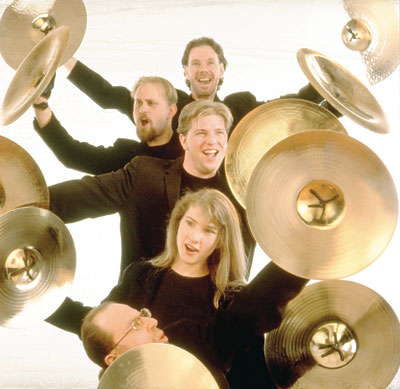
It’s all just noise. Markets move on fear and on jubilance. Neither really makes much sense. But we’ve become conditioned to volatility in the financial markets and the overload of information permeates the rest of our lives causing similar volatility in our decision-making process . . . or just paralysis.

It’s important that we recognize noise when it’s present. The best way to do this is to have a clear understanding of the goal or objective we are pursuing. That goal has attached to it a series of decisions that must be made. Is there information that we sift through that might have a true bearing on this goal? If we always measure against the goal we can then block out the noise. For example, let’s say that my goal is to renovate an historic building in a small town and convert it to apartments. A lot of data will come flooding at me every day. I’ll hear about political strife in another country; political strife in our country; the stock market rose/fell 200 points; oil prices may be rising; a competitor just abandoned an historic renovation project (what does he know that I don’t?); interest rates may increase; the cost of lumber may increase; new regulations may be implemented by OSHA, and my favorite restaurant is closing. What to do?

I focus on my goal and I quickly process the information deluge. Of course there are a lot of unknowns, but if I’ve properly assessed the risks of my project, I have a mitigation plan for things like rising interest rates and higher material costs. The rest of it . . . I ignore.

Life is full of noise. The trick is to turn it into white noise that is in the background with no discernible impact on our daily lives. We do that by remembering our goals, our assessment of the risks and our plan to mitigate those risks.

This blog is being written in tandem with my book, “An Entrepreneur’s Words to Live By,” available on Amazon.com in paperback and Kindle (My Book), as well as being available in all of the other major eBook formats.

cymbals